Custom Streetwear Manufacturer: From Design to Bulk Production
Building a successful streetwear collection requires more than a good graphic.
Fabric weight, garment fit, washing, printing, construction, labels and packaging all influence how the final product looks, feels and performs.
Working with the right custom streetwear manufacturer can help transform an initial idea into a production-ready garment that reflects your brand identity.
This guide explains how custom streetwear manufacturing works, what brands should prepare before starting, and how a manufacturer can support the process from design and sampling to bulk production.
What Is a Custom Streetwear Manufacturer?
A custom streetwear manufacturer develops and produces garments according to a brand's specific requirements.
Unlike basic wholesale apparel, custom manufacturing gives brands more control over:
- Fabric
- GSM
- Fit
- Color
- Construction
- Printing
- Embroidery
- Washing
- Labels
- Packaging
For example, a brand may want a heavyweight oversized T-shirt with dropped shoulders, washed black color, a large back graphic, custom neck labels and branded packaging.
A manufacturer should be able to turn those requirements into a consistent production process.
Why Streetwear Manufacturing Requires Specialized Experience
Streetwear often uses different silhouettes, fabrics and finishing techniques from standard promotional clothing.
Common streetwear characteristics include:
- Oversized fits
- Boxy silhouettes
- Drop shoulders
- Wide sleeves
- Heavyweight fabrics
- Acid wash
- Garment dye
- Large graphic prints
- Puff printing
- Embroidery
- Custom labels
These details require experience in pattern development, fabric selection and finishing.
A manufacturer that already understands streetwear can usually communicate more clearly about the final product you want to achieve.
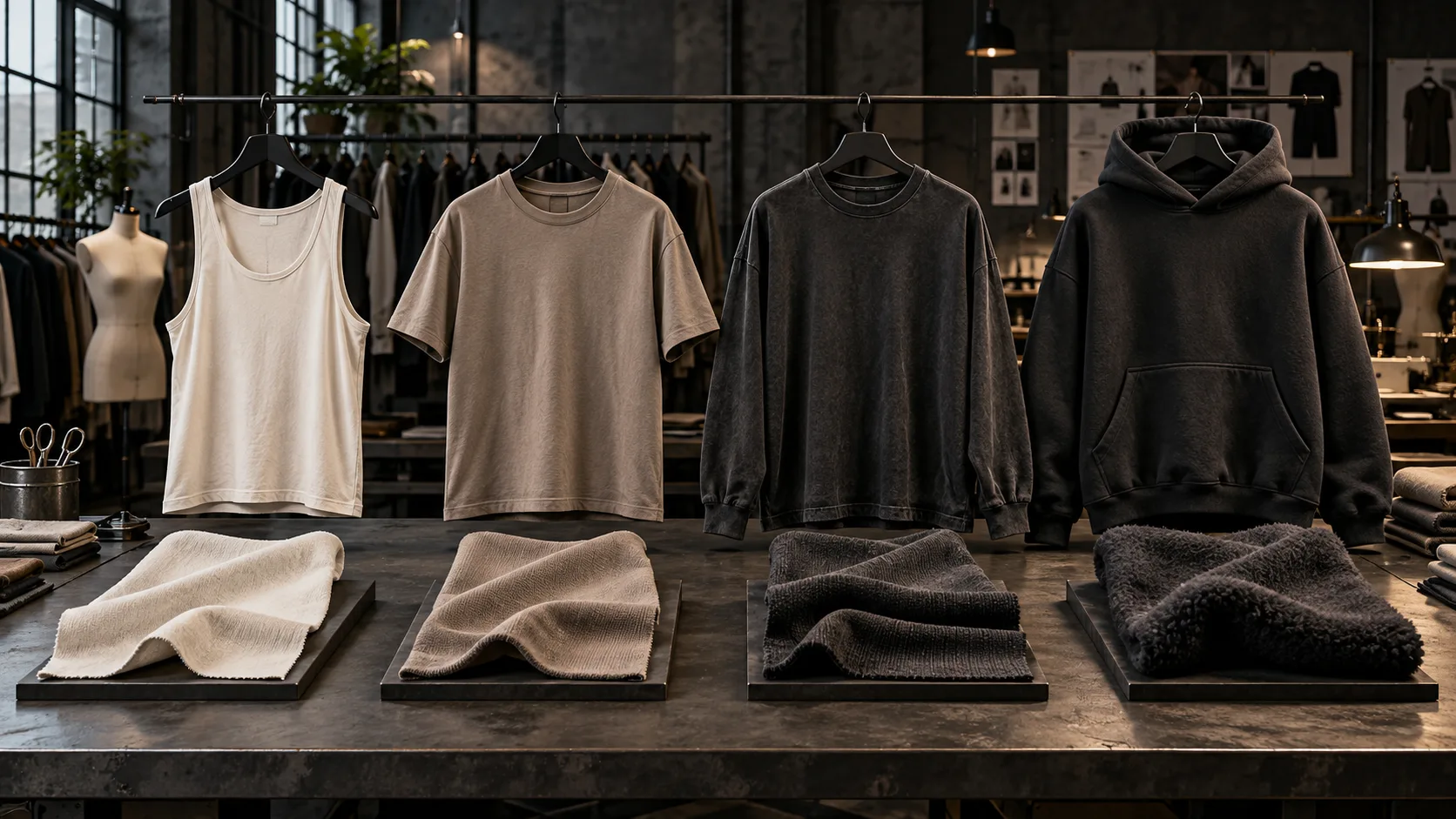
1. Start with the Product Type
The first step is deciding what type of garment you want to develop.
Common streetwear categories include:
- T-Shirts
- Hoodies & Sweatshirts
- Long Sleeve T-Shirts
- Tank Tops
Each product has different requirements.
A lightweight tank top may use a lower GSM fabric, while a premium hoodie may require heavier fleece or French terry.
2. Choose the Right Fabric
Fabric has a major impact on the feel and structure of the garment.
Common options include:
- 100% cotton
- Cotton-polyester blends
- Jersey
- French terry
- Fleece
- Rib fabric
- Specialty knitted fabrics
The right choice depends on the product, fit and target market.
For premium streetwear, brands often prefer fabrics with more structure and a stronger hand feel.
3. Select the Right GSM
GSM means grams per square meter and is commonly used to describe fabric weight.
Typical options include:
160–180 GSM
Lightweight garments and summer products.
200–220 GSM
Everyday T-shirts and midweight streetwear.
240–260 GSM
Heavyweight T-shirts with more structure.
280–320 GSM+
Sweatshirts, hoodies and outerwear-style garments.
Higher GSM does not automatically mean better quality.
Fiber quality, knitting, washing and construction are also important.
4. Develop the Fit
Fit is one of the most important parts of modern streetwear.
Common options include:
- Regular fit
- Relaxed fit
- Oversized fit
- Boxy fit
- Cropped fit
- Drop shoulder
- Wide sleeve
A manufacturer can adjust:
- Shoulder width
- Body width
- Body length
- Sleeve width
- Sleeve length
- Armhole
- Neck opening
- Hem width
Brands with a tech pack can provide exact measurements.
Brands without one can often use reference garments and samples to develop the desired silhouette.
5. Choose Your Color and Finish
Streetwear often uses more than simple solid colors.
Common options include:
- Washed black
- Charcoal
- Olive
- Vintage brown
- Off-white
- Faded grey
- Custom Pantone colors
Finishing techniques can include:
- Garment dye
- Acid wash
- Stone wash
- Enzyme wash
- Vintage wash
These processes help create a more distinctive appearance.
6. Add Printing and Graphics
Graphics are a major part of many streetwear collections.
A capable manufacturer may support:
Screen Printing
Suitable for bold graphics and larger production quantities.
Puff Printing
Creates raised, three-dimensional print effects.
DTF Printing
Useful for detailed artwork and flexible color applications.
DTG Printing
Suitable for detailed, full-color designs depending on fabric and quantity.
Embroidery
Ideal for logos, chest details, sleeve graphics and premium branding.
The best method depends on the artwork, fabric and intended look.
7. Add Custom Branding
Private label details help turn a garment into a finished brand product.
Options can include:
- Neck labels
- Woven labels
- Care labels
- Size labels
- Hang tags
- Side labels
- Custom packaging
These details make the product feel more complete and recognizable.
8. Develop a Sample
Before bulk production, a sample should be created.
Sampling allows the brand to check:
- Fit
- Fabric
- Color
- GSM
- Print size
- Graphic placement
- Embroidery
- Wash effect
- Labels
- Construction
This stage is important because small changes can significantly affect the final garment.
9. Revise the Sample if Needed
Most custom development projects require at least some adjustments.
Common revisions include:
- Wider body
- Shorter length
- Larger sleeves
- Different neckline
- New fabric weight
- Different print placement
- Adjusted color
- Stronger wash effect
Once the sample is approved, the final specification should be confirmed before bulk production.
10. Move into Bulk Production
Bulk production usually includes several stages:
- Fabric preparation
- Cutting
- Sewing
- Printing or embroidery
- Washing and finishing
- Label application
- Quality inspection
- Packaging
A reliable manufacturer should follow the approved sample and specifications throughout production.
What MOQ Should You Expect?
MOQ means minimum order quantity.
The exact MOQ depends on:
- Product type
- Fabric
- Color
- Printing
- Washing
- Labels
- Packaging
Some custom streetwear projects may start from around 50 pieces, while special fabrics or custom dyeing may require higher quantities.
Brands should confirm MOQ before beginning development.
What Should You Send to a Streetwear Manufacturer?
To make the development process more efficient, prepare as much information as possible.
Useful information includes:
- Product reference
- Artwork
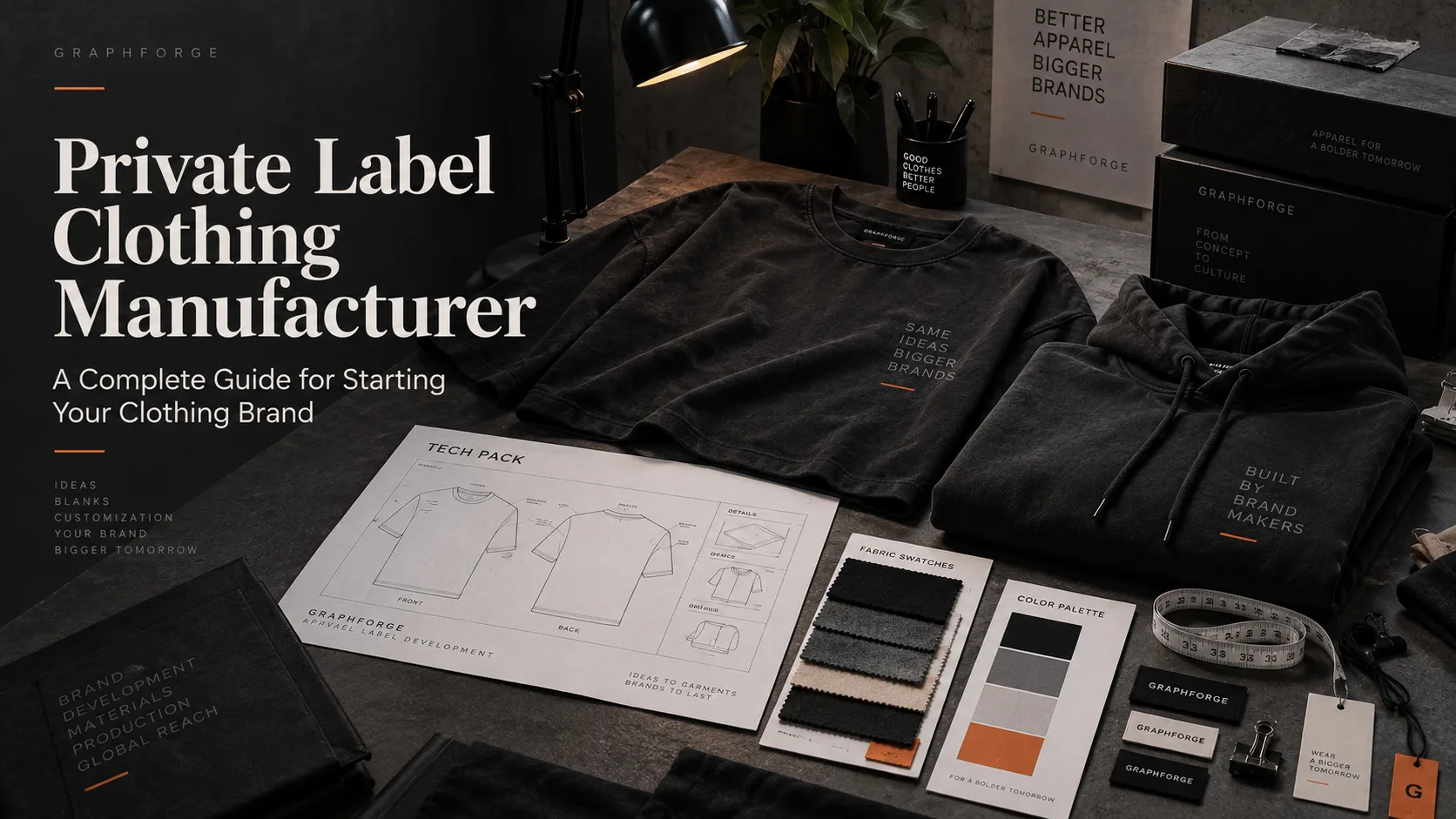
- Tech pack
- Target quantity
- Preferred fabric
- GSM
- Fit reference
- Color
- Print placement
- Label requirements
- Packaging requirements
- Target delivery date
If you do not have a full tech pack, reference images and measurements can still help the manufacturer understand your direction.
Questions to Ask a Custom Streetwear Manufacturer
Before choosing a production partner, ask:
- What streetwear products do you specialize in?
- What is your MOQ?
- Can you customize GSM?
- Can you develop oversized and boxy fits?
- Do you support garment dye?
- Can you produce acid wash?
- What printing methods do you offer?
- Do you provide embroidery?
- Can you produce custom labels?
- Can you create custom packaging?
- Can I order a sample first?
- How long does sampling take?
- What is the normal bulk lead time?
- How do you control quality?
These questions help you understand whether the manufacturer fits your project.
Why Work With a Direct Streetwear Manufacturer?
Working directly with a manufacturer can make custom development easier.
A direct factory may support the full process:
Design → Fabric → Fit → Sample → Print → Wash → Labels → Packaging → Bulk Production
This can reduce communication gaps between separate suppliers.
It also makes it easier to manage revisions and maintain consistency across repeat orders.
Custom Streetwear Manufacturing at GRAPHFORGE
GRAPHFORGE develops custom streetwear for brands, private labels, teams and apparel buyers.
Our core categories include:
- T-Shirts
- Hoodies & Sweatshirts
- Long Sleeve T-Shirts
- Tank Tops
Available customization can include:
- Custom GSM
- Oversized fit
- Boxy fit
- Custom colors
- Acid wash
- Garment dye
- Screen printing
- Puff printing
- DTF printing
- Embroidery
- Custom labels
- Hang tags
- Branded packaging
From sample development to bulk production, each project can be built around your brand requirements.
Conclusion
Choosing the right custom streetwear manufacturer means finding a production partner that understands more than basic garment manufacturing.
Fabric, GSM, fit, printing, washing, construction, labels and packaging all need to work together.
The right manufacturer should help you move from an initial idea to a repeatable finished product.
Before starting, prepare your artwork, reference images, target quantity, fabric preferences and fit requirements.
Clear information makes product development faster and reduces unnecessary revisions.
Ready to Develop Your Streetwear Collection?
Send us your:
- Product reference
- Artwork
- Target quantity
- Fabric requirements
- GSM
- Fit requirements
- Branding details
We can help develop your collection from sampling to bulk production.
GET A QUOTE →
Ready to start your production run?
Send us your design, quantity and target delivery date. We will reply with a clear quote and a sample timeline within 48 hours.